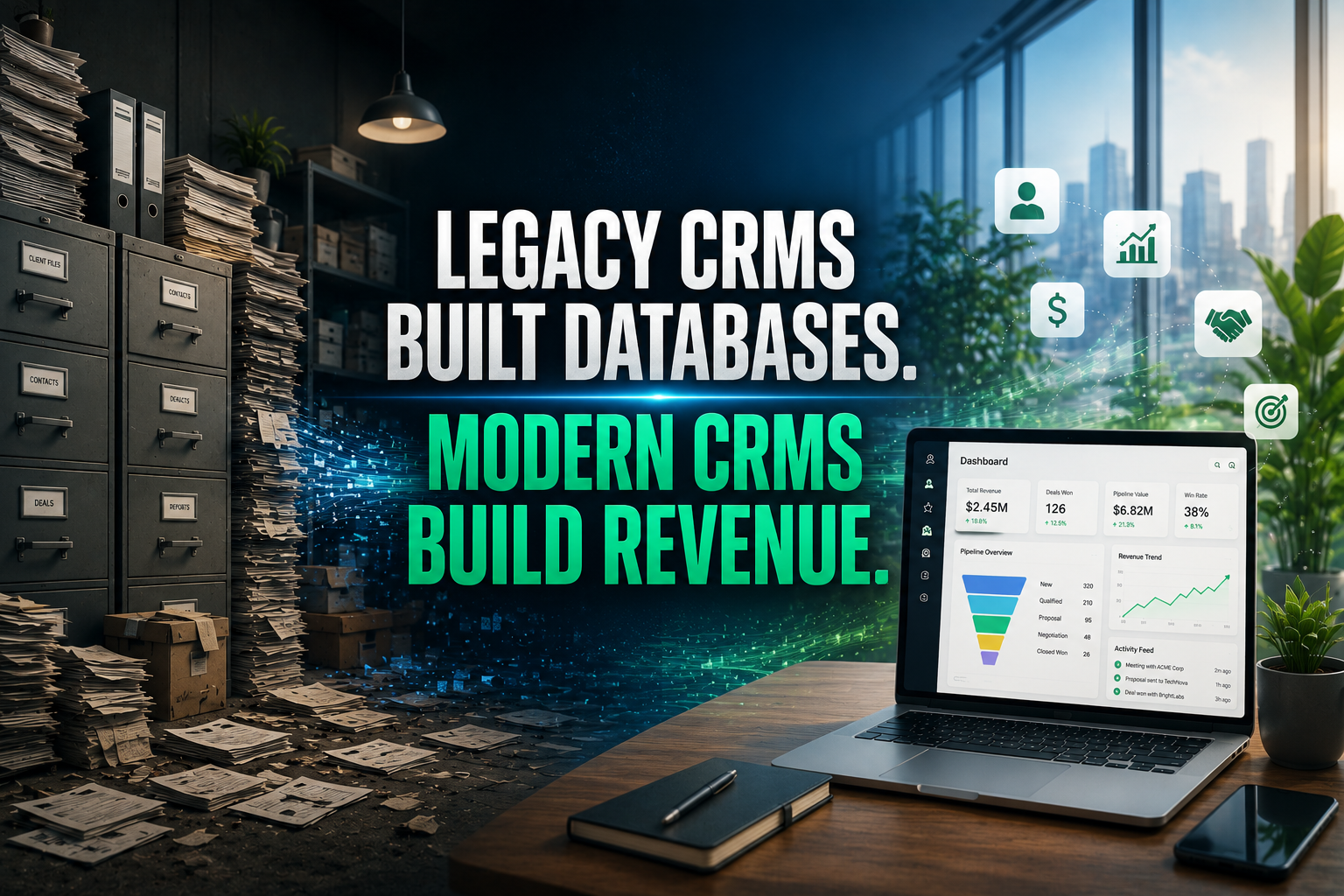
Today’s CRM platforms do far more than organize customer records. They capture conversations, automate repetitive tasks, surface buying signals, recommend next actions, and help sales teams focus on the opportunities most likely to generate revenue. Instead of acting as digital databases, modern CRMs are becoming intelligent revenue platforms that actively support every stage of the customer journey.
While Salesforce and HubSpot continue to dominate the CRM market, a new generation of platforms is quietly redefining how businesses build relationships, manage pipelines, and drive growth. Here are four modern CRM solutions that deserve far more attention.
1. Attio
Traditional CRMs often require businesses to adapt their processes to fit the software. Attio takes the opposite approach by allowing organizations to build a CRM around the way they already work.
Designed for high-growth startups and modern B2B sales teams, Attio combines a flexible data model with intelligent workflows and real-time collaboration. Instead of limiting users to predefined objects and pipelines, it enables businesses to customize customer data, automate repetitive processes, and collaborate across teams without sacrificing usability.
Its intelligent data enrichment and workflow automation help sales representatives spend less time managing records and more time nurturing customer relationships, making it one of the fastest-growing modern CRM platforms.
2. folk
For many organizations, business growth depends on relationships rather than transactions. Whether managing prospects, investors, strategic partners, or clients, maintaining meaningful connections has become just as important as managing deals.
folk approaches CRM from a relationship-first perspective. It helps teams organize contacts from multiple sources, automatically enrich customer information, and streamline personalized outreach through AI-assisted workflows.
Instead of focusing solely on sales pipelines, folk enables businesses to build stronger professional networks, making it particularly valuable for consultancies, agencies, partnerships, founder-led companies, and relationship-driven B2B organizations.
3. Salesflare
One of the biggest challenges with traditional CRMs is that they rely heavily on manual updates. Sales representatives often spend valuable selling time entering notes, updating opportunities, and maintaining customer records.
Salesflare was built to eliminate much of that administrative burden.
The platform automatically tracks emails, meetings, calls, and customer interactions, continuously updating CRM records without requiring manual input. By reducing data entry, Salesflare allows sales teams to focus on conversations instead of administration while providing managers with more accurate pipeline visibility and customer insights.
Its automation-first approach makes it especially attractive for small and mid-sized B2B businesses looking to improve productivity without increasing operational complexity.
4. Close
Many CRM platforms attempt to serve every department within an organization. Close takes a more focused approach by optimizing the platform specifically for revenue teams.
Built for outbound and inside sales organizations, Close combines CRM functionality with built-in calling, SMS, email automation, and sales sequencing. Rather than forcing users to switch between multiple applications, it brings communication and pipeline management into a single workspace.
This integrated experience helps sales teams engage prospects more efficiently while maintaining complete visibility into every customer interaction, making Close a strong choice for businesses focused on accelerating outbound growth.
The Future of CRM Is Revenue Intelligence
The most successful CRM platforms are no longer competing on the number of features they offer. They are competing on how effectively they help businesses build relationships, automate routine work, uncover opportunities, and generate measurable business outcomes.
Platforms like Attio, folk, Salesflare, and Close reflect this shift. Each approaches customer relationship management differently, but they share a common goal: transforming CRM from a passive database into an active contributor to business growth.
As customer expectations continue to evolve and buying journeys become increasingly complex, enterprises will need platforms that do more than store information. They’ll need systems that help teams make smarter decisions, strengthen customer relationships, and create sustainable revenue.
The future of CRM won’t be defined by who stores the most customer data.
It will be defined by who helps businesses turn that data into meaningful growth.