How AI-Powered SaaS Tools Are Redefining Operational Efficiency in 2025

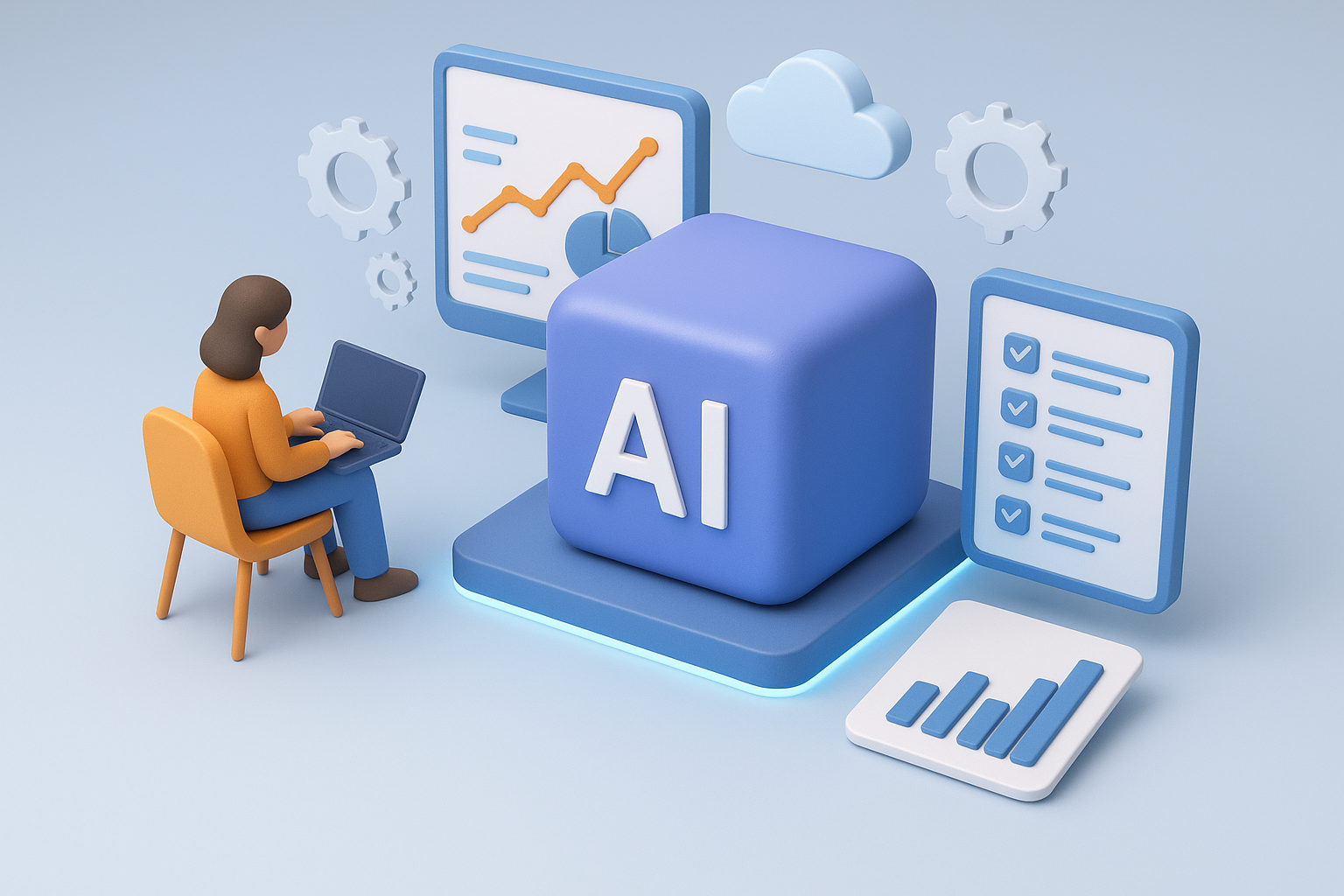
As businesses scale, operational efficiency becomes a critical competitive advantage. Companies can no longer afford slow workflows, manual processes, or siloed systems. That’s where modern AI-powered SaaS tools come in — transforming how organizations operate, collaborate, and make decisions.
In 2025, AI is no longer a futuristic concept. It is already built into the tools we use daily, silently optimizing workflows and reshaping operations across every industry.
In this blog, we explore how AI-powered SaaS tools are driving operational excellence and why businesses must adopt them to stay relevant.
1. AI for Workflow Automation: Reducing Manual Tasks by 70%
AI-led workflow tools eliminate repetitive tasks, enabling teams to focus on high-value activities.
Examples of tools transforming automation:
-
Zapier AI – Automates cross-platform workflows
-
HubSpot AI – Streamlines marketing & sales operations
-
Asana Intelligence – Predictive task assignment and workflow optimization
Benefits include:
-
Fewer human errors
-
Faster task completion
-
Improved cross-department collaboration
2. Predictive Analytics Tools Improving Decision-Making
Predictive analytics tools turn historical data into insights that forecast future outcomes.
Top tools using predictive intelligence:
-
Tableau AI Insights
-
Looker Studio with AI models
-
Microsoft Power BI Copilot
Why this matters:
-
Better financial planning
-
Accurate demand forecasting
-
Smarter risk management
3. AI-Enhanced Customer Experience Tools
Businesses that deliver exceptional experience grow faster — and AI tools are now at the center of that evolution.
Tools leading CX transformation:
-
Intercom Fin AI – Instant support and smart routing
-
Drift AI – Personalized B2B conversations
-
Zendesk AI – Automated ticket classification and response
Impact on businesses:
-
Reduced support workload
-
Improved customer satisfaction
-
Faster resolution times
4. AI-Driven Sales and Marketing Tools Boosting Conversions
Sales and marketing workflows thrive when tools become intelligent assistants.
Key AI-powered tools:
-
Salesforce Einstein – Predicts lead quality and deal success
-
SEMrush AI Writing & SEO tools
-
Mailchimp AI – Smart send times and content recommendations
Results:
-
Higher lead-to-customer conversion rates
-
More accurate campaign targeting
-
Reduced marketing spend through optimization
5. AI for Financial Operations & Compliance
Finance teams are embracing AI tools to simplify reporting, compliance, and financial analysis.
Examples:
-
QuickBooks AI – Automated categorization & cash flow predictions
-
Stripe Radar AI – Smart fraud detection
-
Chainalysis – Real-time AML monitoring
Business impact:
-
Faster reporting
-
Reduced fraud risk
-
Higher financial accuracy
6. Collaboration Tools That Think for You
The next generation of collaboration tools not only store information — they understand it.
Leading AI collaboration platforms:
-
Notion AI – Auto-summarizes content & generates documentation
-
Google Workspace Gemini – Smart meeting notes and email drafting
-
Slack AI – Answers questions using organizational knowledge
This creates:
-
Reduced time spent searching for information
-
Faster onboarding for new team members
-
Knowledge accessible instantly
The Future: A Fully Intelligent SaaS Ecosystem
By 2030, SaaS tools will evolve into fully intelligent systems that:
-
Make decisions
-
Detect problems before they occur
-
Allocate resources automatically
-
Learn from user behavior
Businesses that adopt AI-powered tools today will be significantly ahead in innovation, cost efficiency, and productivity.
Final Thoughts
AI-powered SaaS tools are not just improving efficiency — they are shaping the future of how organizations operate. Companies that embrace these intelligent platforms gain a strategic edge across workflows, customer experience, and financial performance.
As the technology evolves, ToolsMetric continues to help businesses evaluate and choose the right tools for sustainable growth.
You May Also Like: Future-Ready B2B Lead Generation Strategies to Accelerate Growth in 2025